

The pressure on PCB factories climbs each year because tiny chips get more fragile and old packaging styles feel too slow and too risky.
Future ESD-safe packaging will lean on smarter materials, easier tracking tools, and packaging that plays well with automation so plants keep parts protected and lines steady with less drama.

I keep meeting procurement heads who feel stuck between tight deadlines and demanding engineers. I see how a small ESD slip turns into a long mess that hurts delivery dates and customer trust. I learned this the hard way when I worked with a plant that lost a full week because a tray batch changed resistance after a few days of storage. That moment pushed me to pay closer attention to new trends because they decide who stays ahead and who gets buried by rework and surprises.
Table of Contents
ToggleWill smart materials change how we protect PCBs?
Many PCB buyers panic a little when they see surface resistance readings jump up and down, and no one knows if the tray or the weather is doing it.
Smart ESD-safe materials will hold their conductivity better, survive long handling routes, and stay stable under heat and humidity so parts remain safe from first load to the final process.

I walk inside factories where engineers test trays again and again because the data refuses to stay still. They tell me they cannot accept any sudden resistance spike since even one failed component can ruin a customer batch. I believe smart materials will fix many of these daily headaches. They behave more predictable and do not shift as much when the environment gets rough. I break down the changes I see most often when I talk with production teams.
Material Types That Will Lead the Future
| Material Type | What It Does | Why It Matters |
|---|---|---|
| Conductive polymers | Hold stable resistance even after long use | Good for storage and repeated cycles |
| Carbon-blended plastics | Spread charges quickly | Perfect for fast pick-and-place machines |
| Composite trays with moisture-friendly additives | Resist humidity swings | Works well in tropical climates |
These materials help plants avoid sneaky failures caused by static buildup that hides until late in the line. One customer shipped boards through several countries. The trays he used before started drifting after a few days. We changed to composite trays, and they stayed stable for a full month. That single change cut retesting, scrap, and long customer calls.
Are automation-ready trays becoming the new standard?
Fully automated lines slow down when robots struggle with trays that bend different ways or do not match tolerance rules.
Automation-ready trays will follow tighter measurements, keep a steady rigidity, and stay light enough so robotic arms can move faster without sudden jams.
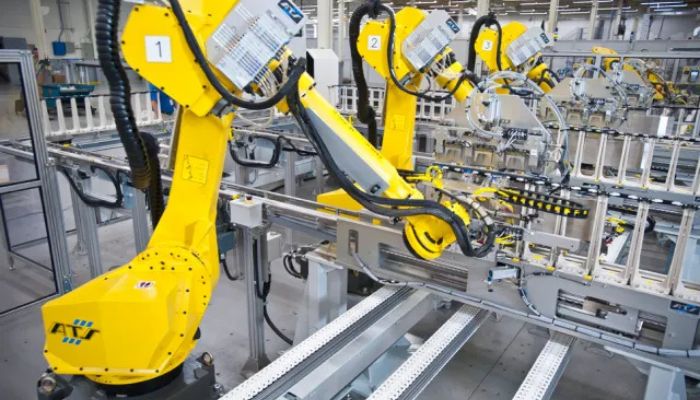
I see many factories mix trays from several suppliers because they try to save cost. But small differences in stiffness or shape confuse robots. I watch robotic arms pause, shake, or drop trays because the tray flexes just enough to ruin alignment. This is why buyers now look at mechanical stability as much as ESD performance. Automated plants need trays that behave the same every shift.
What Automation-Ready Trays Must Deliver
| Feature | What It Means | Impact on PCB Production |
|---|---|---|
| Dimensional accuracy | All trays match exact sizes | Smooth robotic motion |
| Uniform stiffness | No sagging under heat or load | Fewer conveyor failures |
| Low weight | Robot arms move faster | Better cycle time |
These trays prevent hidden issues that only appear during pilot runs. I once worked with a client who kept asking why his new robot arm stopped every few cycles. The trays softened slightly after cooling. We replaced them with a resin that held shape better. The robot ran the full shift with no errors.
Will digital traceability reshape how we track packaging in PCB lines?
Procurement leaders feel stressed when packaging lots get mixed, mislabeled, or misplaced during busy production days.
Digital traceability will use printed codes, tiny chips, and linked databases so every tray and every load becomes easy to scan, track, and verify anytime someone needs the data.

Almost every week, someone messages me asking if a tray batch came from last month or last quarter. These mix-ups sound small, but they ruin quality reports and delay audits. With digital traceability, all trays carry a code that ties into the factory system. I think this change helps both procurement and QC because missing data becomes rare and investigations get faster.
Tools That Will Drive Traceability
| Tool | How It Works | Benefit to Procurement |
|---|---|---|
| QR or Data Matrix codes | Quick scan at receiving or loading | Clear batch history |
| RFID tags | Read even inside storage racks | Faster inventory checks |
| MES integration | Connects packaging to full workflow | Better audit trail |
I helped a large PCB maker replace handwritten markers with laser codes. Before that, people wrote dates using a pen. This harmless routine caused big mistakes. After switching, wrong-lot errors dropped close to zero and customer audits moved smoother.
Will recyclable and low-impact ESD trays become a must-have?
Manufacturers worry when customers demand greener packaging while still expecting perfect protection for sensitive circuits.
Recyclable ESD materials and take-back programs will help factories cut waste, trim cost, and stay aligned with sustainability goals without risking ESD issues.
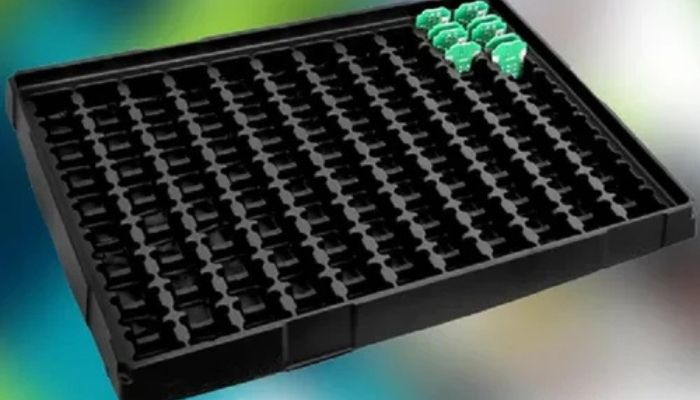
I hear more questions about green packaging every year. Large brands now ask if trays can be reused or fully recycled. Plants want to hit sustainability targets without hurting stability. I believe recyclable ESD trays will grow fast because they reduce waste fees and improve ESG scoring while keeping the same level of protection.
What Makes Recyclable ESD Trays Work
| Attribute | Explanation | Practical Impact |
|---|---|---|
| Single-resin design | Easy to recycle in one stream | Lower disposal cost |
| Stable resistance after recycling | Maintains required ESD behavior | Safe for reuse cycles |
| Closed-loop return | Supplier collects used trays | Less on-site waste buildup |
I once supported a return program where workers collected trays from each shift. We sent them back to the molding plant for grinding and reprocessing. At first the savings looked small, but after a few months their waste disposal cost dropped and they kept a more stable supply of trays.
Will cleaner-room compatible packaging become more important as chips shrink?
Engineers panic when dust or tiny debris from packaging lands on exposed pads and causes hard-to-find failures.
Cleanroom-grade ESD packaging will use low-particle materials, smooth surfaces, and stable resistance so dense and fragile boards stay free from debris across the whole line.

I remember a plant that showed me dust under a microscope. The debris came from old trays breaking down with age. Smaller chips cannot tolerate this at all. Clean-room friendly packaging is becoming the default for high-density boards because new AOI systems detect even the smallest marks. I believe this trend will keep rising as more factories adopt advanced inspection.
Cleanroom Packaging Features to Expect
| Feature | What It Solves | Benefit to PCB Makers |
|---|---|---|
| Low particulate materials | Prevents micro debris | Cleaner solder pads |
| Smooth cavity surfaces | Reduces abrasion | Lower defect rate |
| Anti-scratch coating | Stops surface peeling | Longer tray life |
A plant upgraded its AOI machines and saw small marks that older machines never picked up. These marks came from tray particles. We introduced cleaner-room trays, and the defects dropped fast. This shift made them realize how packaging cleanliness affects final board quality.
Will flexible packaging formats replace rigid trays in some PCB workflows?
Procurement teams get frustrated when bulky trays take too much space or cost more to ship than the components they carry.
Flexible ESD packaging like molded bags, foldable carriers, and cushioning sheets will support mixed production runs and cut storage and freight costs.

I work with factories that switch models many times per day. Rigid trays fit stable production, but flexible packaging works great for prototypes and small batch orders. I believe the future will mix both. Flexible ESD solutions help when speed, light weight, and space savings matter more than perfect tray rigidity.
When Flexible Packaging Works Best
| Situation | Why It Helps | Real Impact |
|---|---|---|
| Prototype builds | Easy layout changes | Lower tooling cost |
| Small batches | Less storage space | Smoother logistics |
| Export shipments | Light and compact | Cheaper freight |
I once helped a customer who shipped samples overseas and got shocked when freight cost beat the value of the boards. Switching to foldable carriers saved him enough money to keep the project alive.
Conclusion
Future ESD packaging will move toward smarter materials, automation-friendly designs, digital tracking, and greener systems so PCB plants stay protected, efficient, and ready for faster production changes.